Header — Cartiere Carrara UK

The Tissue That Keeps Working After You Flush

Most washroom tissue does one job: it gets used, and it gets flushed. What happens after that is somebody else’s problem — usually a facilities team dealing with a blocked pipe, a call-out fee, or a washroom that smells worse than it should.

Active Clean was built to change that.

The hidden cost of “ordinary” tissue

Every washroom has a life beyond the cubicle. Tissue that flushes away doesn’t just disappear — it travels through pipework that’s sometimes decades old, into drainage systems that were never designed for today’s footfall, and in many cases into a septic tank or treatment plant that has to process everything that goes down the pan.

Standard tissue plays no active role in any of that. Left to its own devices, organic waste builds up in pipes and tanks over time, and the result is familiar to anyone who manages a washroom: reduced flow, unpleasant odours, more frequent call-outs, and — for off-grid sites — more frequent (and more expensive) pump-outs.

None of that is inevitable. It’s just what happens when nothing in the system is working to prevent it.

What Active Clean actually does

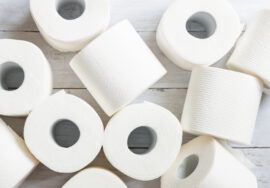
Active Clean is flushable, enzyme-based toilet tissue. The enzymes activate on contact with water and keep working long after the tissue itself is gone — travelling with the flow through three stages:

  1. The washroom — Active Clean starts working the moment it meets water. No chemicals, no change to your existing cleaning routine.
  2. The pipework — enzymes continue breaking down organic deposits as they move through the system, easing the build-up that narrows pipes and causes blockages over time.
  3. The tank or cesspit — for sites with a septic tank or treatment plant, the enzymes carry on digesting organic waste and helping maintain a healthy bacterial balance inside the tank itself.

It’s a cumulative effect, not a one-off fix. The more consistently Active Clean is used, the stronger the protection it builds for the drainage system behind it.

Built for real sites, not just laboratories

Active Clean is PEFC-certified for responsible sourcing, dermatologically tested, and independently lab-tested by the Università degli Studi di Milano — so the claims behind it aren’t just marketing language.

It’s also a genuinely flexible fit across very different kinds of site:

  • Retail, leisure and hospitality venues with high-footfall washrooms, where drainage strain builds up fast
  • Rail and transport hubs, motorway services, and other public-facing locations under constant use
  • Caravan and camping sites
  • Off-grid rural properties — country pubs, hotels, and any commercial site running on a septic tank or treatment plant, where the cost of getting drainage wrong is measured in pump-out frequency and repair bills, not just complaints

A complete washroom package: the BioFlush Duo

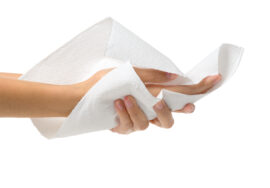
Active Clean toilet tissue is also available paired with BulkySoft’s flushable hand towel range — marketed together as the BioFlush Duo. It’s worth being precise about what that pairing means: the hand towels are flushable and designed to dissolve quickly, in keeping with the same washroom philosophy, but they don’t carry Active Clean’s enzyme technology themselves. That’s specific to the tissue.

The hand towel range currently spans three codes — V-Fold and C-Fold formats — so it’s worth checking dispenser compatibility before switching, since the fold types aren’t interchangeable.

Together, tissue and towel give washroom teams one consistent standard across every paper consumable in the room, from a single supplier.

The range

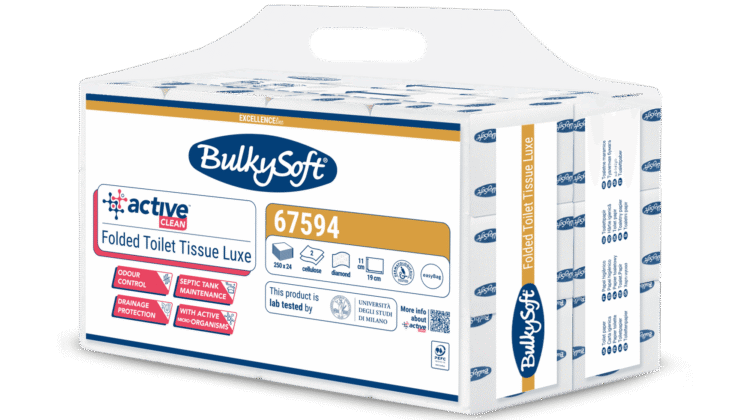
Active Clean is available in two tiers to suit different washroom specifications:

  • Premium — Jumbo Toilet Tissue Mini 200 and Maxi 400, for high-volume sites
  • Excellence — Toilet Tissue Rolls Top 250 and Folded Toilet Tissue Luxe, for a premium washroom feel

All four SKUs are 2-ply, dispenser-compatible, and built on the same enzyme technology.
Try it for yourself

The best way to judge whether Active Clean is right for a site is to trial it on that site. Cartiere Carrara UK — the UK subsidiary of the Cartiere Carrara Group, one of Europe’s leading paper manufacturers — offers no-obligation trial packs to qualifying facilities and property management teams.

Get in touch: 01553 887308 · sales@cartierecarrara.uk · www.cartierecarrara.uk
Polycyclic Plantations

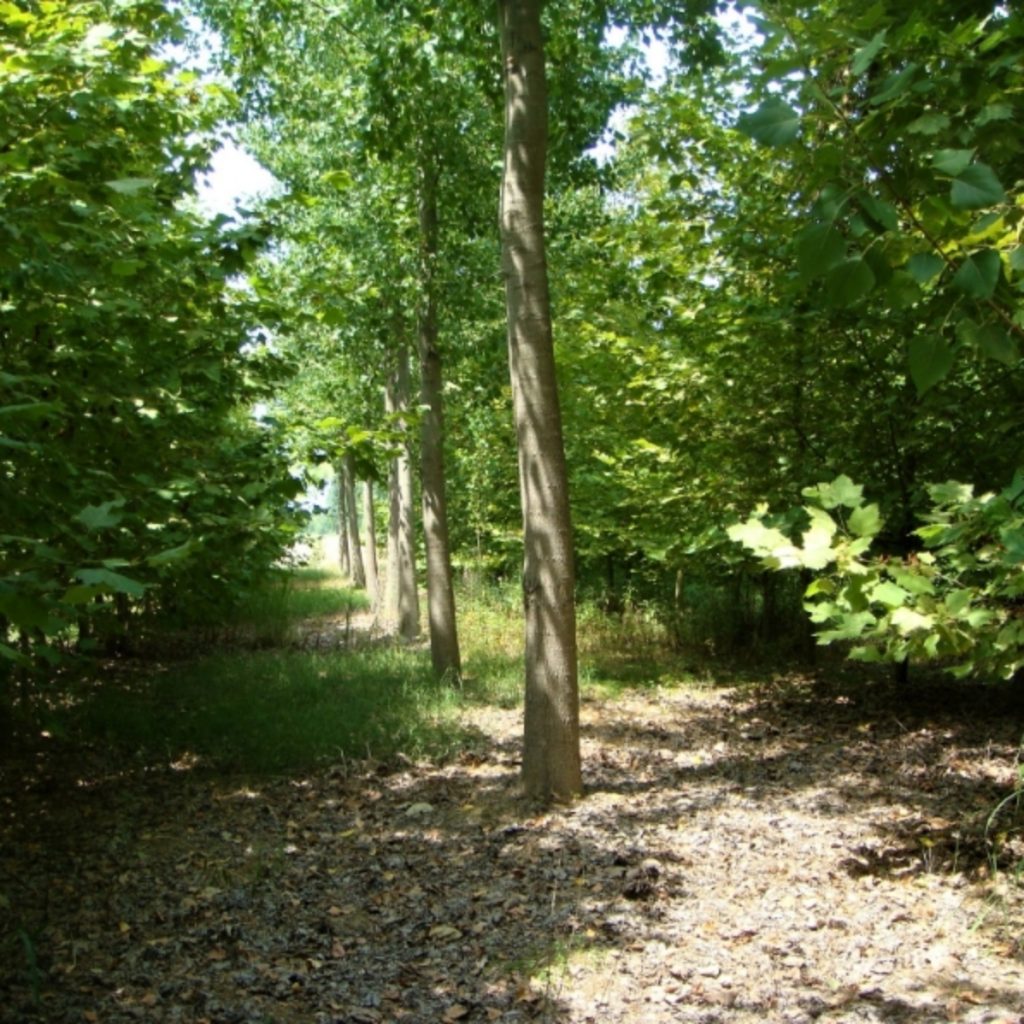
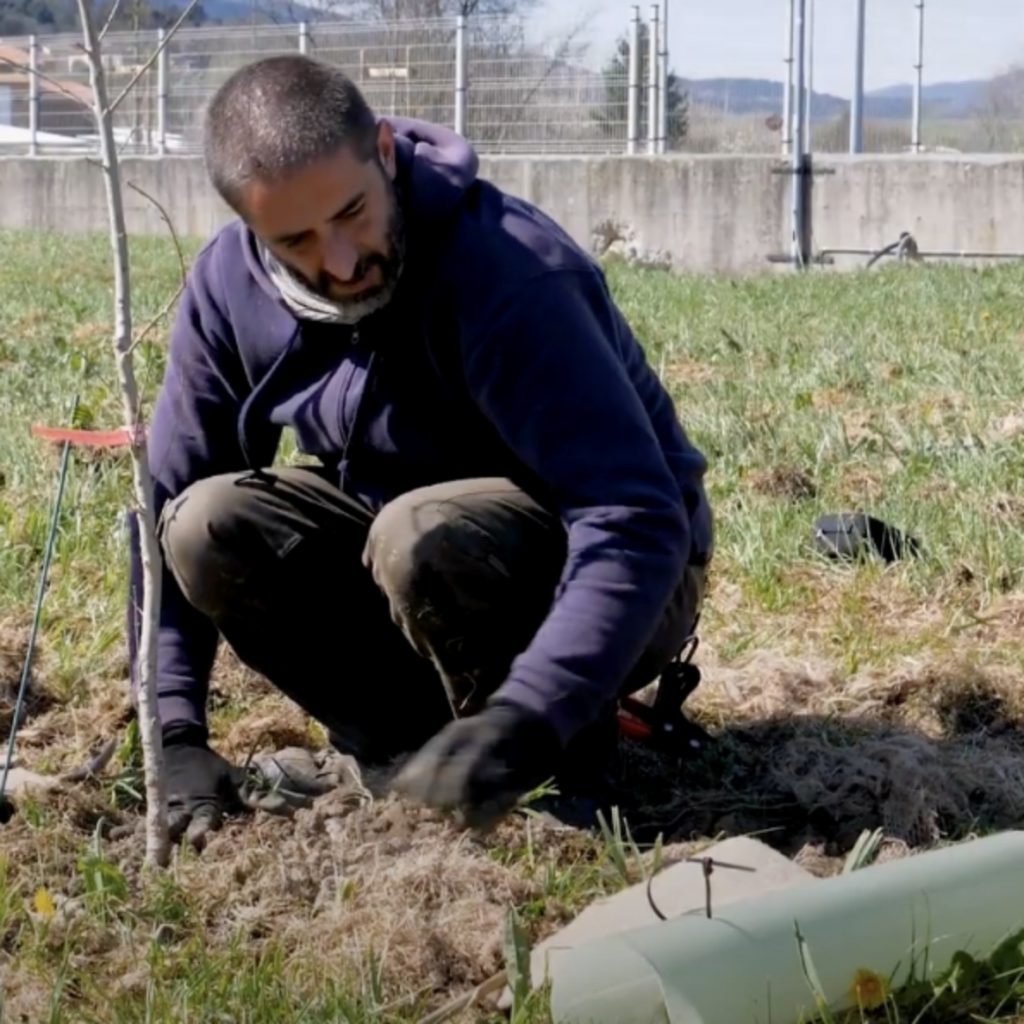
In the area of Badia Pozzeveri, not far from our production hub in Capannori, we set up a series of continuous cycle plantations where trees and shrubs with different growth and cutting patterns coexist. They are constantly replanted after cutting, or grow back autonomously from shoots, thus guaranteeing constant natural coverage over time. From the eco-environmental standpoint, polycycle plantations requalify a flat area that used to have only residual agricultural value, improving the local habitat, regulating the absorption of rainwater, and conserving carbon stock in the soil.  

Natural polycyclic plantations are usually composed of an alternation of: 

  • Medium–long-cycle plants, cut at 15–40-year intervals from planting (hazelnut, cherry, oak, maple, ash, linden) for wood used as structural timber or for manufactured products.
  • Short-cycle plants, cut at 8–14-year intervals from planting (in particular poplar) for the production of paper or packaging.
  • Very short-cycle plants, cut at 6–7-year intervals from planting (e.g. plane) and used as firewood.
  • Shrubs that are not cut, and contribute to maintaining soil coverage.


This varied composition ensures that the different species are cut at different times, allowing any intervention to have a modest impact on the landscape and on the habitats created. Furthermore, the limited agricultural practices required by this management approach allow for preservation of the carbon stock in the soil, and avoid further aggravating global warming due to the massive repetition of tree cutting and replanting.

This type of planning and management of the woods – which includes the permanence of at least 30-40% of the trees after each cutting cycle – allows us to pair different productive species (namely those providing firewood, structural or construction timber, and wood for the production of cellulose) with the logic of permanent topsoil coverage and biodiversity protection.

The wood management method created by polycyclic plantations entails multiple benefits: productive, visual, bio-ecological benefits in terms of habitats for animal species (protecting local biodiversity), regulation of rainwater, and conservation of carbon stock in soil. All thanks to the limited cutting practices (and the permanence of a large part of the woods), which however supply local production chains, including those dedicated to poplar wood and to cellulose production for paper manufacturing.

Kilometroverde® - Lucca.

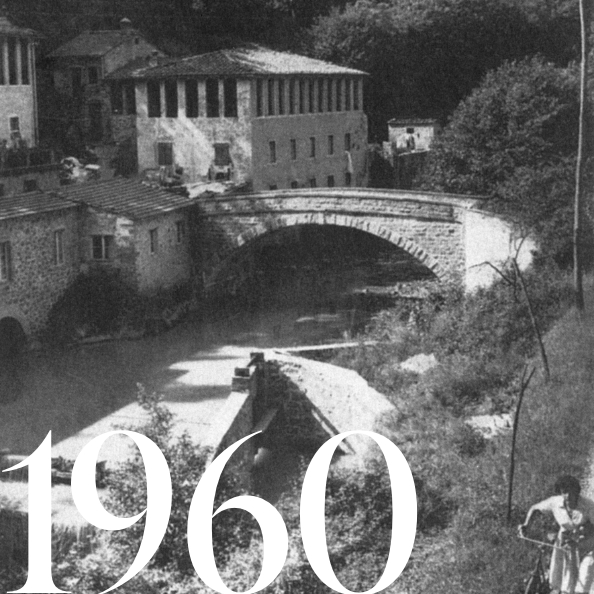
The Cartiere Carrara Group celebrates 150 years of history.

Kilometroverde® - Lucca.

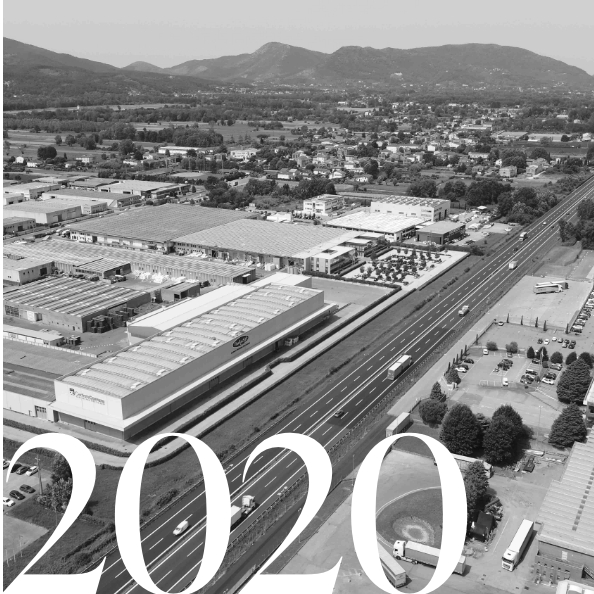
The initiative was born in collaboration with Rete Clima, and consists of a 1-kilometre linear forestation project along the southern section of the A11 motorway between the exits of Lucca Est and Capannori, which runs along the company’s plants.
Trees and shrubs were planted on land that used to be bare, and a typical Tuscan forest was reconstituted to replace an existing, neo-formed woodland that had been of limited value for the forest and wider ecosystem. The area was repopulated with autochthonous species of trees and shrubs, reviving a forest type historically present in the Tuscan area but now significantly reduced due to agricultural activities and industrial sites that have developed on the land over time. This type of “linear plantation” is an innovative strategy for the area, intended to have a protective function and to mitigate local environmental impacts. Kilometroverde® Lucca will take on a triple function over time: physical and visual separation barrier between land and motorway; woodland (a true and proper green lung) able to capture the particulate pollutants produced by vehicular traffic (the well-known PM); and concrete tool for a strategy to develop natural continuity with existing sections of woods.
The positive impact of this intervention is not limited to the local territory: like all new forestation initiatives, Kilometroverde® – Lucca will allow us to increase the total absorption of CO2 and contribute to mitigating the effects of global warming.

Kilometroverde® – Lucca will be certified according to the PEFC standard for Sustainable Forest Management. .

The Cartiere Carrara Group celebrates 150 years of history.

With the acquisition of the Caldaroni Group, the Cartiere Carrara Group is born, paving the way for new growth and future goals.

The Carrara family’s activities are brought back together under the aegis of Cartiere Carrara S.p.A., thus unifying their resources and consolidating their position in the industry.

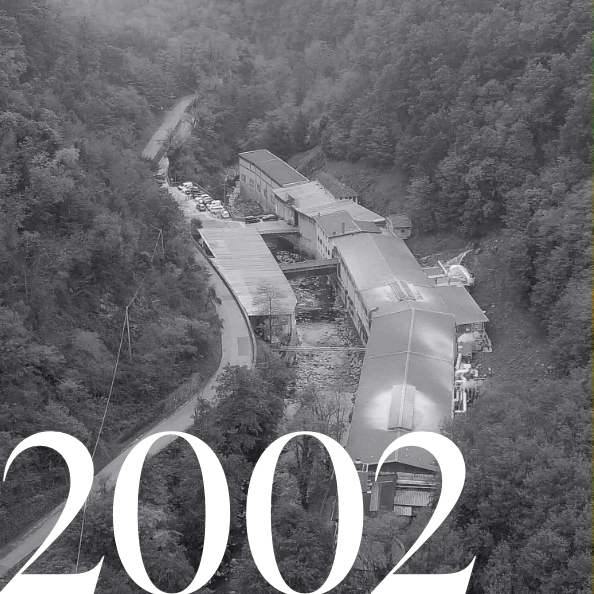
Mario Carrara’s branch of the family decides to resume the activities previously excluded from the 2002 transfer, starting from Cartiera Carma, of which it had always maintained exclusive ownership. With fresh new impetus, the family re-enters the professional and consumer tissue market.

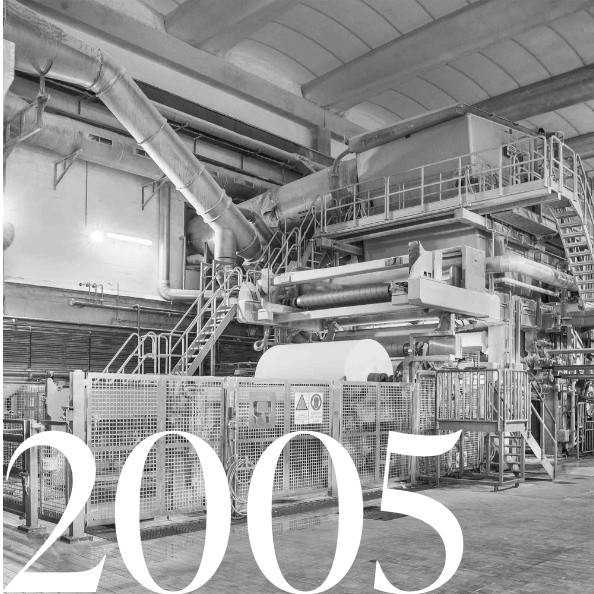
The turn of the millennium brings new opportunities. Cartoinvest is sold to the multinational SCA.

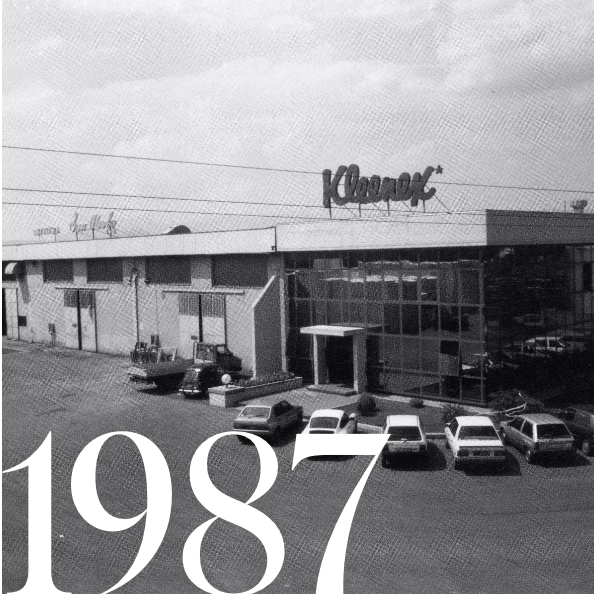
Cartoinvest becomes the exclusive licensee of the Kleenex brand for Europe, thus confirming its leadership in the European tissue market.

The Cartoinvest Group is founded, and takes control of no less than twelve companies in Italy and in Europe, further strengthening their presence and influence in the industry.

The historical plant in Pietrabuona starts its first continuous machine for tissue paper, introducing remarkable technological innovations in the manufacturing process.

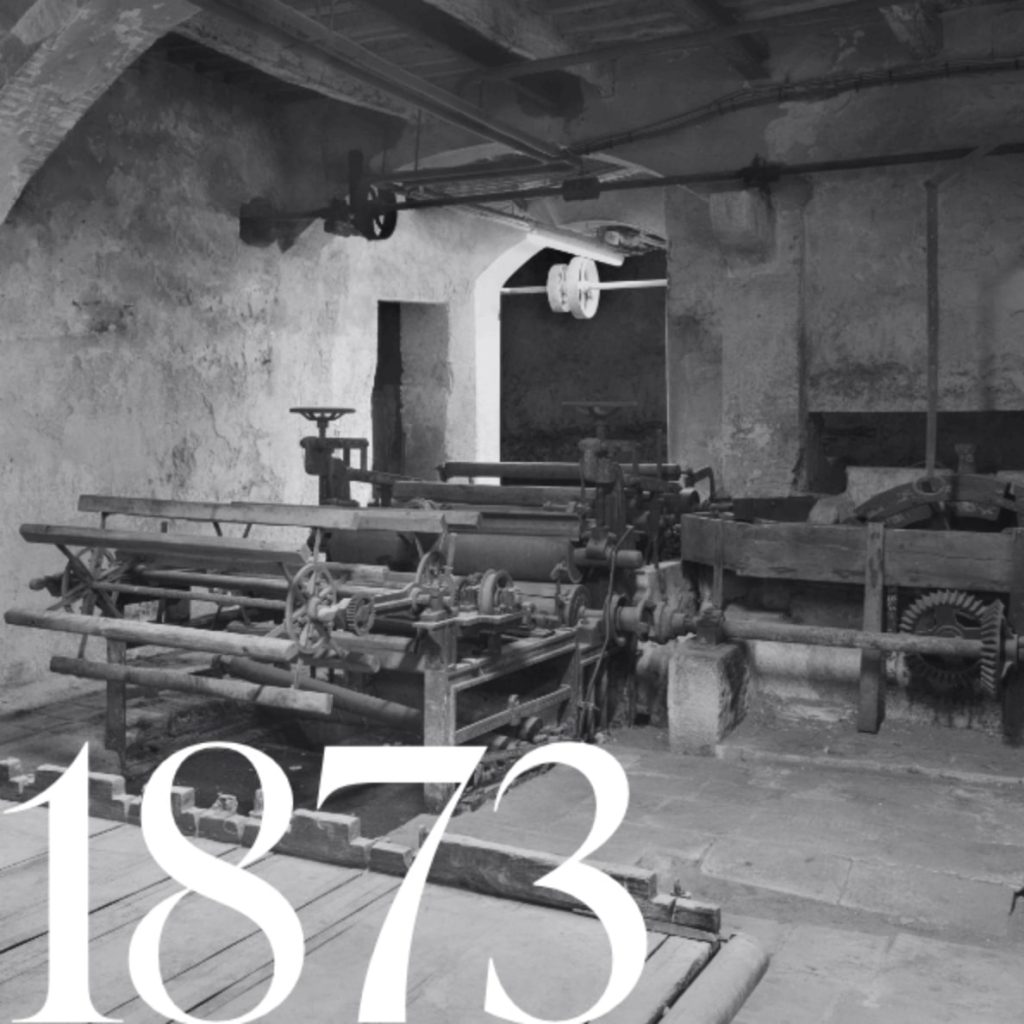
The Carrara family makes its debut in the paper manufacturing business, opening a paper mill in Pietrabuona to make straw paper.